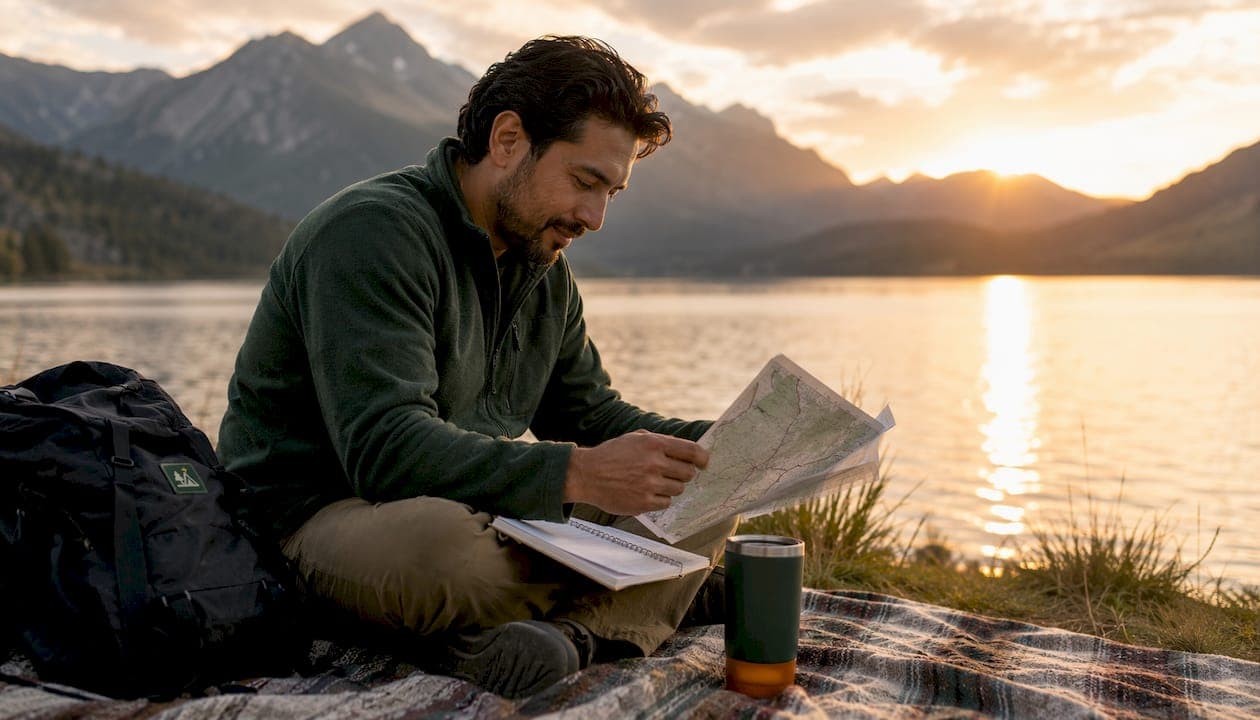
Good RV trip planning comes down to five things: knowing your rig's specs, mapping a safe route, booking campgrounds at the right time, building a flexible itinerary, and packing what you actually need. Get those five right, and the road takes care of the rest.
Before you open a map or browse campgrounds, write down your rig's total height (including the A/C unit and any antennas), length, weight, fuel type, and whether you're carrying propane. These numbers shape every decision that follows. Most experienced RVers keep them taped to the dashboard. A daily driving distance of 300–500 miles suits most travelers, though shorter days feel better on winding or mountainous roads. This range keeps most travelers comfortable and typically allows arrival before dark. Campground booking windows vary widely: snowbird destinations in Florida, Arizona, and Texas need 6–12 months advance notice, popular national park areas need 3–6 months, and most standard parks need only 2–4 weeks. Keeping all of this in one place, rather than scattered across texts, notes apps, and emails, prevents the kind of missed reservation that ruins a drive day.
How do you plan safe and efficient RV routes?
General GPS apps like Google Maps route for speed. They don't know your height, weight, or propane status, and that gap creates real hazards: low bridges, weight-restricted roads, propane-banned tunnels, and steep grades that stress your drivetrain.
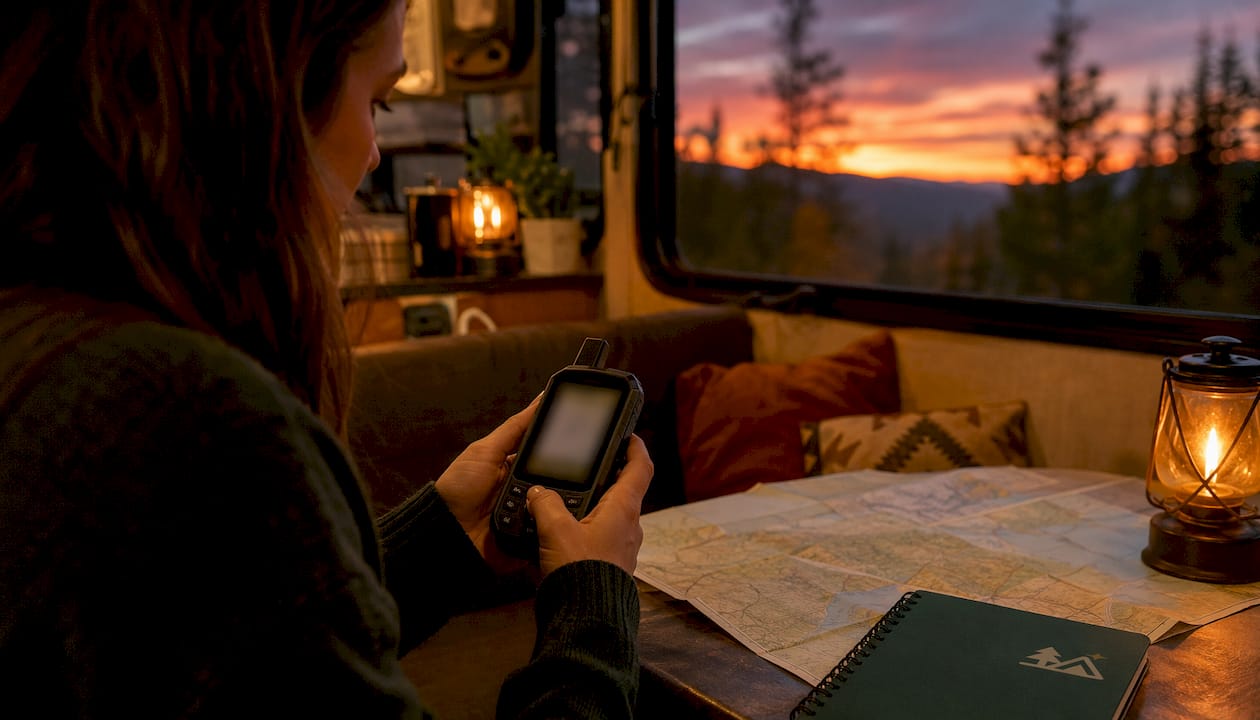
RV-specific navigation tools solve this by building your vehicle profile into every route calculation. Apps like RV LIFE Trip Wizard let you enter height, length, weight, fuel type, and propane status once, then generate routes that automatically avoid those hazards. The setup takes about ten minutes and pays off on every trip after.
A few route-planning details worth knowing:
- Bridge clearances are often lower than posted because repaving reduces actual clearance. Build in at least a 6-inch buffer below any posted height sign.
- Propane tunnels catch travelers off guard. Major tunnels like the I-70 Eisenhower Tunnel in Colorado and the Baltimore Harbor Tunnel prohibit propane-equipped vehicles entirely.
- Daily driving time matters as much as mileage. Factor in fuel stops, lunch, weather delays, and your target arrival time.
- Driving radius tools let you set a maximum daily drive time and see every reachable campground from your current location, which is useful when you're not locked into a fixed itinerary.
Pro Tip: Download offline maps before you leave cell service range. Navigation apps lose signal exactly when mountain roads get complicated.
How do you choose and book campgrounds for your RV trip?
Campground type shapes your experience more than destination does. A full-hookup site with water, electric, and sewer connections runs more per night but removes the logistics of water management and generator use. Dry camping and boondocking on BLM land costs nothing and requires no reservation, though stays are limited to 14 days on most Bureau of Land Management parcels. The tradeoff is self-sufficiency: you need enough tank capacity and battery power to go without hookups.
| Campground Type | Hookups | Price Range | Best For |
|---|---|---|---|
| Full hookup RV park | Water, electric, sewer | Higher nightly rate | Beginners, comfort-focused travelers |
| Partial hookup | Water and electric only | Mid-range nightly rate | Most trip types |
| Dry camping | None | Lower nightly rate | Self-sufficient rigs |
| Boondocking (BLM/National Forest) | None | Free | Experienced travelers, western US |
| Membership parks (e.g., Harvest Hosts, Thousand Trails) | Varies | Annual membership fee | Frequent travelers seeking variety |
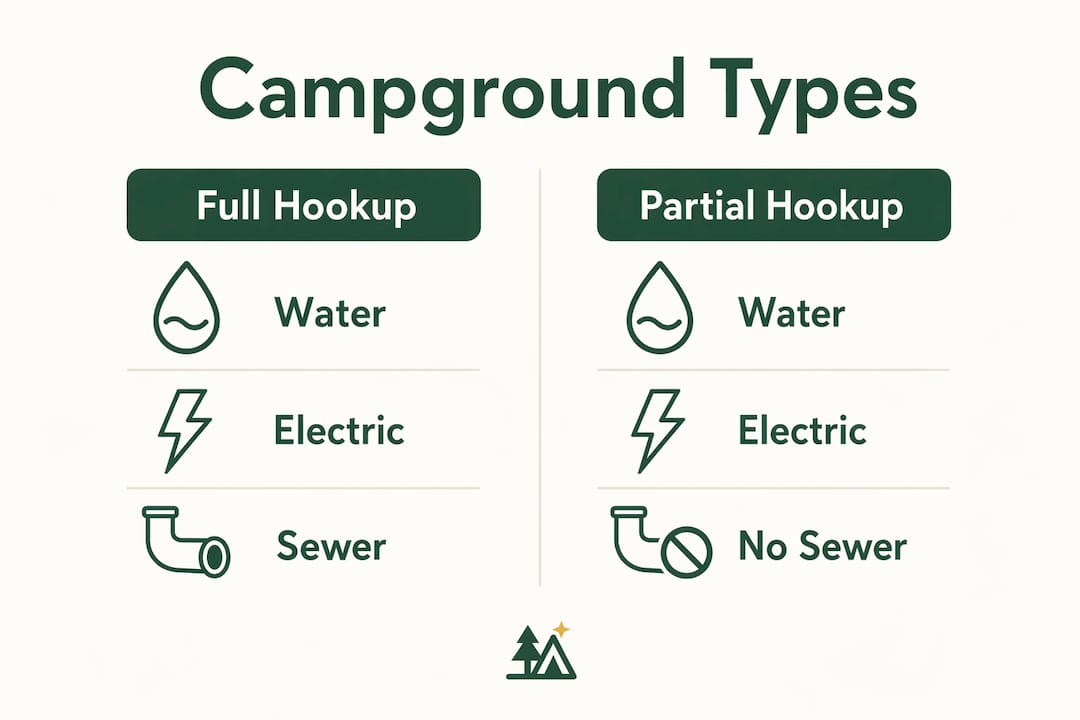
If this is your first RV trip, book a full-hookup site with pull-through access. Pull-through means you drive straight in and straight out, no backing up required. That single choice removes one of the biggest stress points for first-timers.
Booking timing by destination type:
- Snowbird areas (Florida, Arizona, Texas): book 6–12 months out
- National park corridors: 3–6 months ahead
- Standard RV parks: 2–4 weeks is usually enough
- BLM boondocking: no reservation needed, 14-day stay limit
For researching sites, platforms like Campendium and The Dyrt Pro offer detailed reviews that include road conditions and cell signal quality by carrier, which matters more than most travelers expect until they're parked somewhere remote with no data.
How do you organize your RV trip itinerary effectively?
Mapping your full route before booking any campgrounds prevents a common mistake: committing money to sites before you realize the drive days are too long, the roads don't suit your rig, or the sequence of stops doesn't make geographic sense. Sketch the route first, then fit campgrounds to it.
Once the route is set, build your master plan around realistic travel days. An RVer's day is longer than the GPS estimate suggests. Departure prep, fuel stops, a sit-down lunch, and campground setup all add time. Plan to arrive at least two hours before sunset so you can do a walk-around, check for low branches or uneven ground, and set up without rushing.
A few habits that keep itineraries from falling apart:
- Keep all reservations, route notes, and checklists in one system, not spread across multiple apps and paper scraps.
- Build at least one unscheduled day into any trip longer than five nights. Weather, a longer-than-expected stop, or simple fatigue will fill it.
- Schedule rest time deliberately. Drive days are tiring, and back-to-back activity days wear on travelers faster than expected.
Pro Tip: Flexible itineraries with a few open slots consistently produce better trips than rigid schedules. Leave room for the roadside lunch that becomes a highlight.
What RV trip planning services are available in the United States?
Most travelers plan their own trips using apps and guides, but dedicated planning services exist for those who want expert help building a route, finding campgrounds, or organizing a complex multi-week itinerary.
| Service | Service Offerings | Planning Features | Expertise and Trust Signals | Location Relevance |
|---|---|---|---|---|
| RV Trip Blueprint | Full RV trip planning assistance | Route building, campground selection, itinerary organization | Verified US local business, hands-on RV planning expertise | US travelers nationwide |
RV Trip Blueprint operates as a verified local business in the United States, offering hands-on trip planning assistance for US travelers. Its focus is comprehensive planning support, covering route building, campground selection, and itinerary organization for travelers who want expert guidance rather than a self-serve app. For anyone planning a complex trip across multiple states or unfamiliar terrain, a service like this can catch the route hazards and booking gaps that self-planning often misses.
What RV maintenance should you handle during the trip?
Even a well-planned trip runs into mechanical surprises. Knowing the basics before you leave keeps a minor issue from becoming a trip-ending problem.
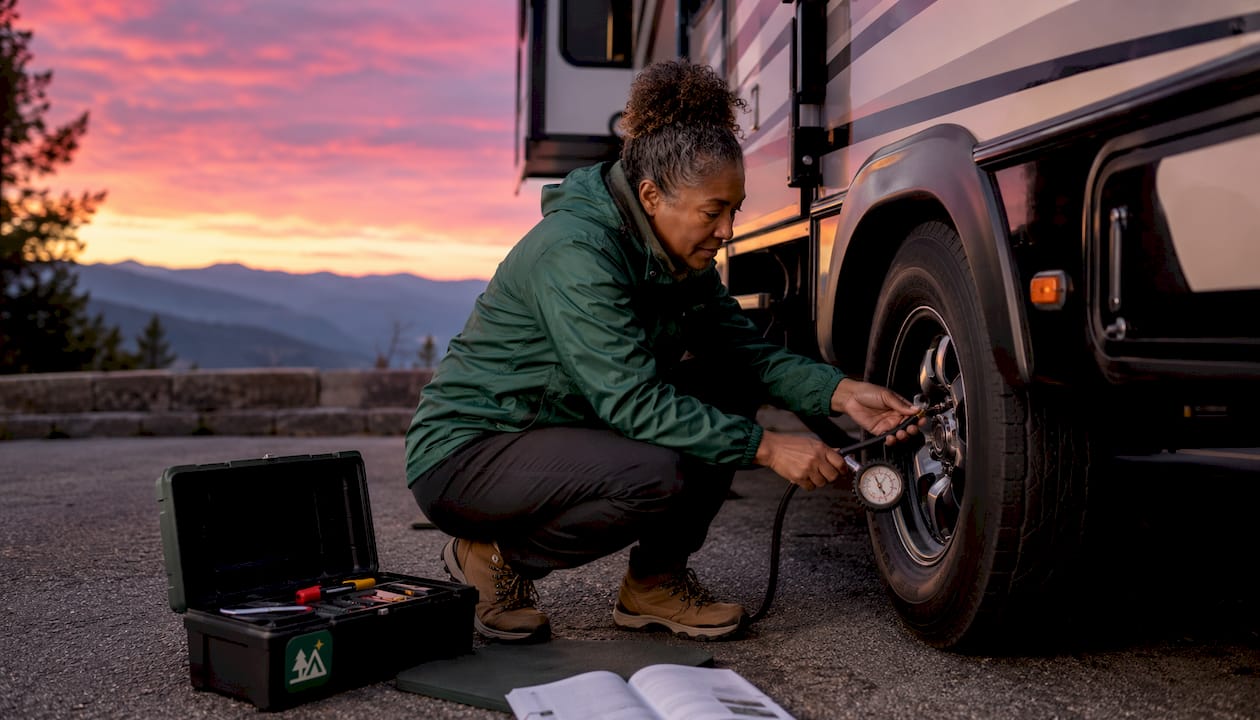
Tires are the most common roadside failure for RVers. Check cold inflation every morning before you drive, including the spare. Carry a portable inflator and a tire pressure monitoring system if your rig doesn't have one built in.
Electrical systems need attention at every hookup. Always connect shore power through a surge protector matched to your rig's amperage (30-amp or 50-amp). A power surge at a campground can damage appliances and electronics in seconds.
For water and sewer, use a pressure regulator on every hookup to protect your lines from high-pressure campground water supplies. Carry a backup sewer hose kit; fittings crack in cold weather.
Slide-outs and awnings are the most common sources of operator error. Retract both before every departure, and do a full walk-around before you pull out of any site. A retracted awning that wasn't latched properly can unfurl at highway speed.
Keep a basic toolkit on board: a multimeter for electrical diagnosis, a can of tire sealant for slow leaks, spare fuses, and the owner's manual for your rig's systems. Most campground issues, from a tripped breaker to a slow drain, resolve faster when you know where to look first.
Campgazer makes finding your next campsite straightforward
Planning an RV road trip means juggling routes, campground specs, rig dimensions, and reservation windows all at once. Campgazer pulls that into one place.
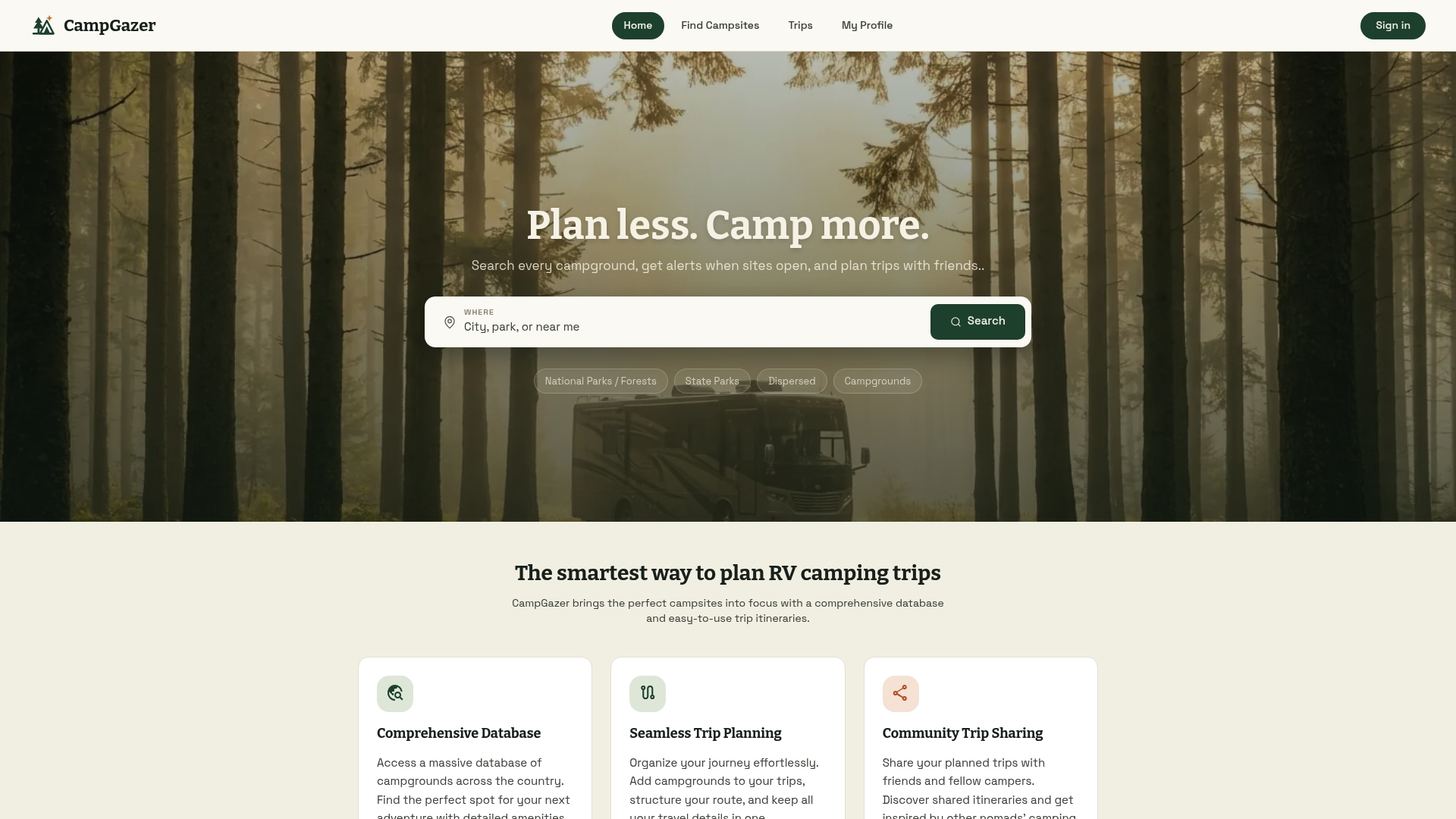
The Campgazer campground database covers 10,000+ campgrounds across the US, each with detailed amenity listings, site dimensions, and location data you can filter by rig size. Custom trip itineraries match your specific rig specs, so the sites you find actually fit your setup. Live availability alerts mean you're not refreshing booking pages manually, and community-contributed photos and edits keep the information current in ways that static databases can't. Whether you're planning your first trip or your fiftieth, start planning on Campgazer and skip the scattered notes.
Key Takeaways
Good RV trip planning integrates rig specs, route safety, campground timing, and itinerary flexibility into one unified system.
| Point | Details |
|---|---|
| Know your rig specs first | Record height, length, weight, and propane status before planning any route. |
| Drive 300–500 miles per day | This daily range keeps most travelers comfortable and typically allows arrival before dark. |
| Book campgrounds early | Snowbird areas need 6–12 months; national park corridors need 3–6 months. |
| Centralize your trip plan | One system for routes, reservations, and checklists prevents missed logistics. |
| Use Campgazer for campground search | Filter 10,000+ US campgrounds by rig size and amenities in one free platform. |