What are the main campsite types in the US?
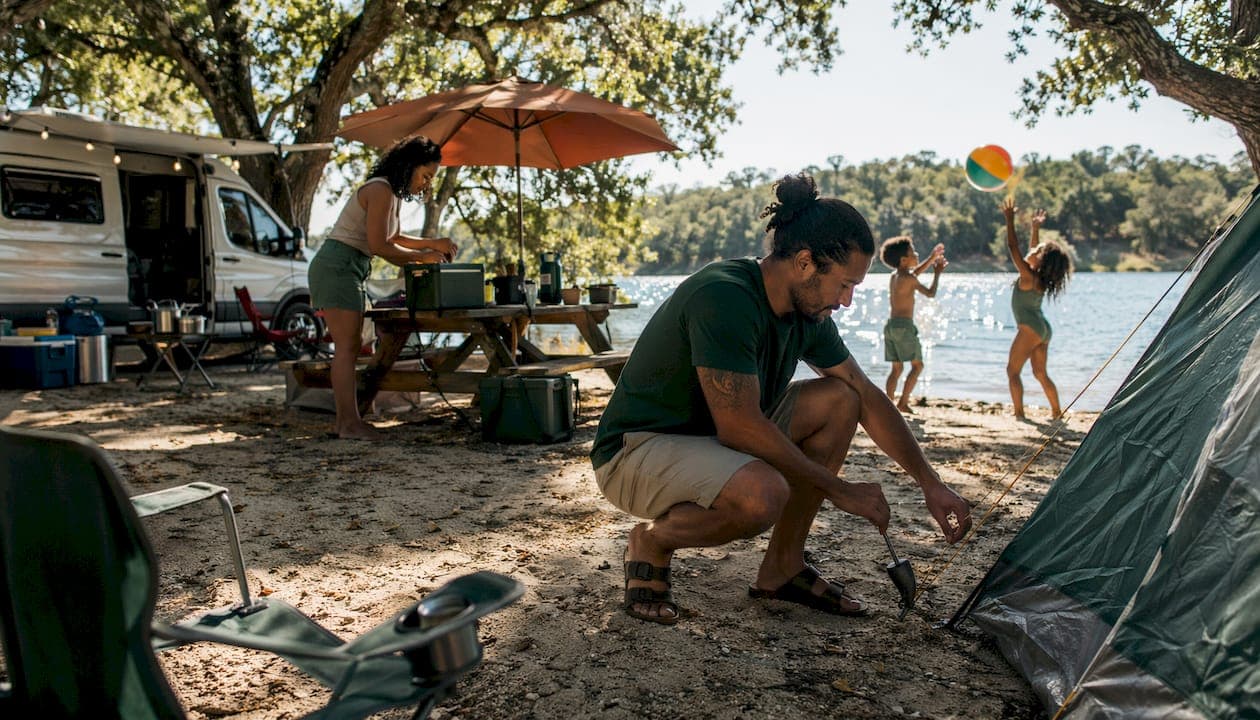
Campsite types in the United States fall into four broad categories: primitive, developed, RV parks, and glamping. A campsite is a specific area within a campground designated for overnight use, often including a parking spur, fire ring, and picnic table. A campground is the larger facility containing multiple individual sites. That distinction matters when you're booking, because reservation systems like Recreation.gov list campgrounds, but you choose and pay for a specific site within them.
Here's a quick-reference breakdown of the main categories:
- Primitive sites: No utilities, minimal infrastructure, often in backcountry or dispersed areas
- Developed tent sites: Fire ring, picnic table, and nearby water; no hookups
- Partial hookup RV sites: Water or electricity, but not both
- Full hookup RV sites: Water, electricity, and sewer connections
- Built lodging structures: Cabins, yurts, lean-tos, and fire lookout towers
- Glamping sites: Furnished tents or luxury cabins with modern comforts
- Group sites: Larger footprints designed for parties of 14 or more
- Equestrian sites: Adjacent to riding trails, with facilities for horses
- Water-access sites: Reachable only by boat, canoe, or raft
- Backcountry sites: Hike-in only, often with no constructed features at all
How campsite facilities and development levels compare
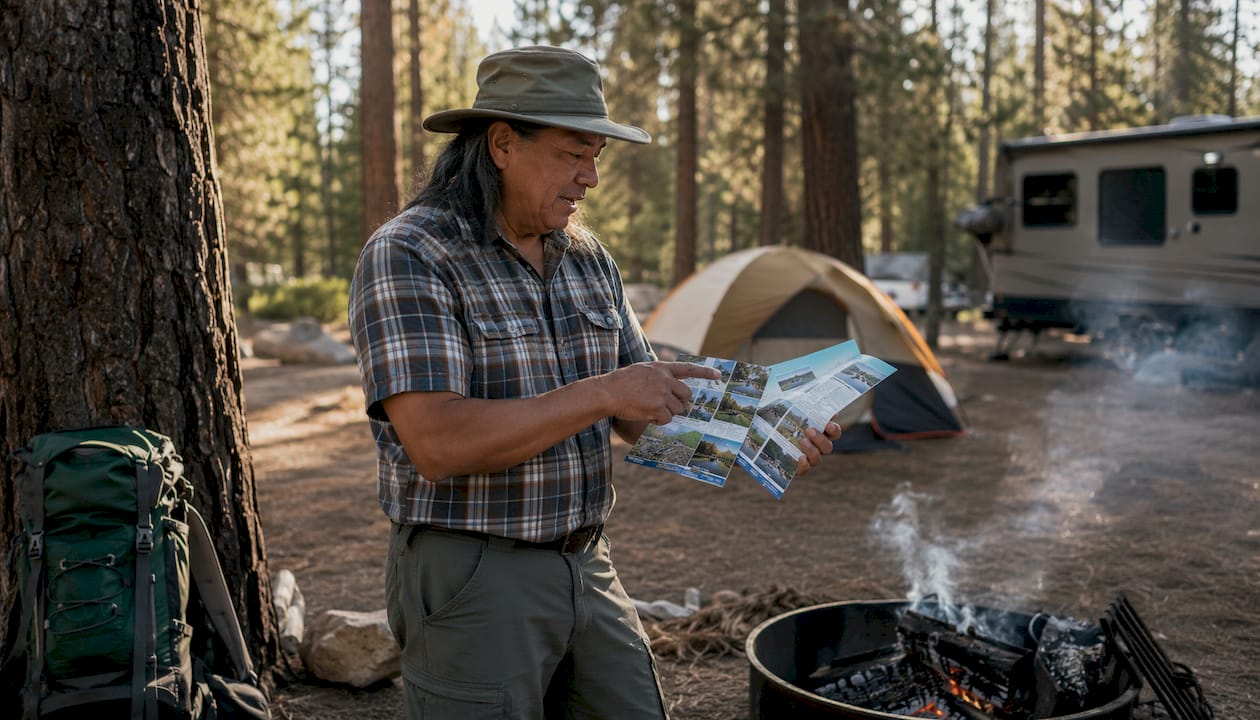
The clearest way to sort camping options is by how much infrastructure a site provides. The Federal Camping Data Standard classifies sites by utility hookups: basic (no hookups), partial (water or electricity), and full (water, electricity, and sewer). Beyond hookups, dedicated site types include equestrian and ADA-accessible sites with specialized features.
| Site Type | Typical Setting | Utilities | Best For |
|---|---|---|---|
| Primitive | Backcountry, dispersed forest | None | Self-sufficient backpackers |
| Developed tent | State/national parks | Water nearby, no hookups | Tent campers wanting basics |
| Partial hookup | Campgrounds, state parks | Water or electric | Small RVs, camper vans |
| Full hookup | RV parks, resort campgrounds | Water, electric, sewer | Large RVs, extended stays |
| Cabin/Yurt | Resorts, state parks | Varies (often electric) | Families, comfort campers |
| Glamping | Private resorts | Electric, heating, AC | First-timers, luxury seekers |
| Group site | Designated group areas | Varies | Scout troops, reunions |
| Equestrian | Trail-adjacent campgrounds | Limited | Horse campers |
| ADA-accessible | Developed campgrounds | Paved paths, full amenities | Campers with disabilities |
ADA-compliant sites typically feature paved driveways, accessible restroom buildings, and pathways designed for mobility aids. Group sites at places like Voyageurs National Park accommodate larger parties, with multiple tent pads, bear-proof food lockers, and comfort station privies.
How your access method shapes the whole trip
Getting to your site is half the planning. Access types break down into four distinct methods, each with real consequences for what you pack and how hard you work.
- Drive-in: Your vehicle pulls directly to the site. Load as much gear as you want. This is the standard for most developed campgrounds and RV parks, and it suits families, first-timers, and anyone with bulky equipment.
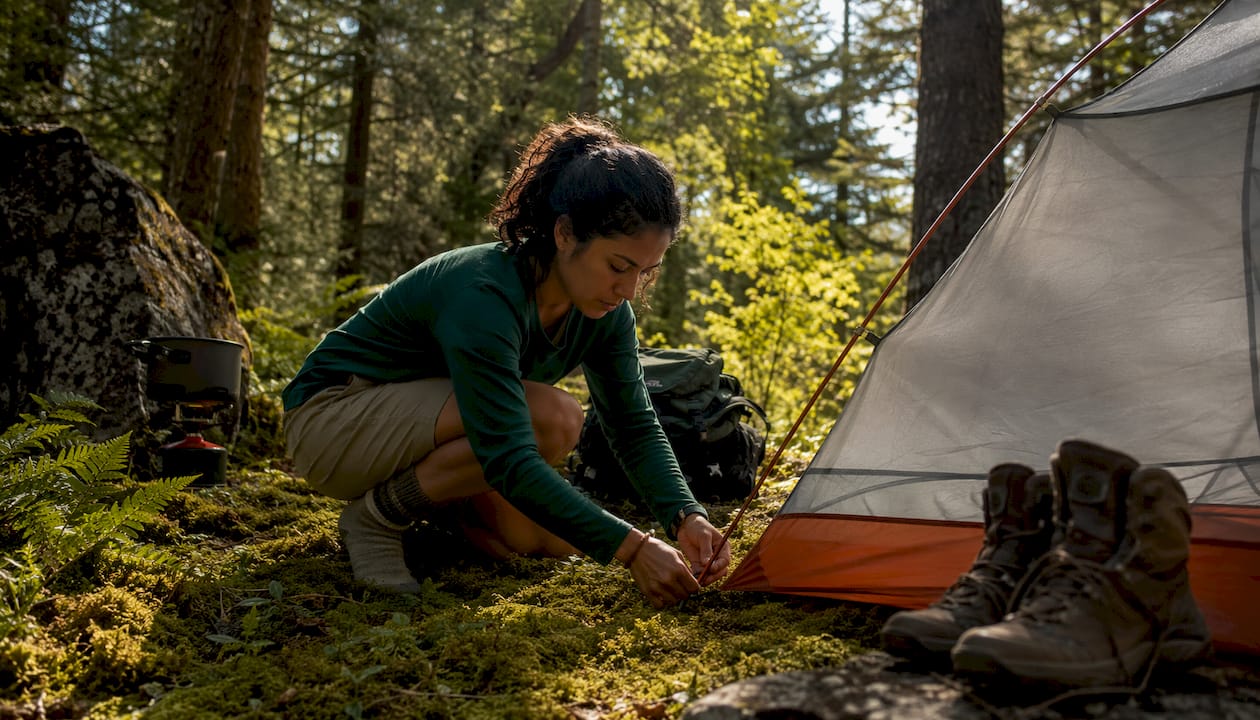
- Walk-in: You park in a nearby lot and carry gear a short distance, typically under a quarter mile. Sites feel quieter and more private than drive-in spots. Smith Rock Bivouac Area in Oregon operates exactly this way, with no RVs or trailers allowed and permits sold nightly.
- Hike-in (backcountry): Expect to carry everything on your back for distances ranging from under a mile to several miles. Voyageurs National Park's primitive sites sit 1.7–3.2 miles from the nearest trailhead. Physical fitness and gear weight become real factors.
- Water-access: The site is reachable only by boat, canoe, or raft. Wisconsin's water-access sites typically accommodate smaller craft like kayaks and canoes. These spots offer genuine solitude but demand navigation skills and waterproof packing.
Pro Tip: Before booking a walk-in or hike-in site, check the elevation gain, not just the distance. A 2-mile flat trail and a 2-mile climb to 9,000 feet are completely different propositions with a loaded pack.
What amenities can you expect at US campsites?
Developed campgrounds across the country share a fairly consistent set of features, though availability shifts by season and site type.
Standard amenities at most developed sites:
- Fire rings or grills (sometimes prohibited during high fire danger)
- Picnic tables
- Potable water spigots (may be shut off in winter)
- Vault or flush toilets
- Bear-proof food storage lockers, particularly in national parks and forests
Upgraded amenities at resort-style and full-hookup campgrounds:
- Hot showers and flush toilets
- RV dump stations
- Laundry facilities
- Camp stores and grills
- Wi-Fi (at private campgrounds)
Seasonal closures affect amenities more than most campers expect. Water lines at many state parks shut down between november and april to prevent freezing. Shower buildings may close at primitive campgrounds year-round. Lost Lake Resort & Campground, for example, operates seasonally from may through october, offering 148 camping sites plus cabins, yurts, a general store, and an ADA-accessible fishing dock. Campsite atmosphere, meanwhile, depends less on amenity lists than on site spacing. Quieter experiences come from layout and distance between neighbors, not from whether electricity is available.
How to plan your trip and choose a campsite responsibly
Smart site selection starts before you ever arrive. The 3-3-3 rule gives you a practical framework: drive no more than 300 miles per day, arrive by 3:00 PM, and stay at least three nights. Arriving early means you can actually walk the campground and pick the best available spot rather than setting up in the dark.
Leave No Trace principles require a 200-foot buffer between your camp and any water source, protecting both water quality and wildlife access. That's roughly 70 adult paces. In backcountry settings, this rule applies to where you pitch your tent, cook, and wash dishes.
- Check permit requirements before you go. Many backcountry areas, including national forests and NPS lands, require advance permits through Recreation.gov.
- Read site-specific regulations. Fire restrictions, generator hours, and pet policies vary by park and season.
- Reservation systems at national parks open months in advance. Popular sites at Wallowa Lake State Park, for instance, can be reserved six months out.
- Evaluate campsite reviews for noise levels and crowd density, not just photos of amenities. A beautiful site next to a busy road or a generator-heavy RV section will disappoint regardless of how it looks in pictures.
Pro Tip: For dispersed camping on national forest land, sites are generally free and first-come, but fire restrictions and stay limits (often 14 days) still apply. Always check the specific forest's current restrictions before you set up.
Real US campgrounds that show the range
These verified campgrounds illustrate how different campsite types look in practice, from coastal redwoods to Oregon's high desert.
| Campground | Location | Campsite Types | Standout Feature |
|---|---|---|---|
| Emerald Forest Cabins & RV | Trinidad, CA | Full hookup RV, tent sites | Near Trinidad State Beach and coastal redwoods |
| Wallowa Lake State Park | Joseph, OR | Full hookup RV, tent, yurts, ADA pods | Reservations open months in advance |
| Lost Lake Resort & Campground | Hood River County, OR | 148 sites, cabins, yurts | ADA fishing dock, seasonal may–october |
| Camp Dakota Family Camping & Adventures! | Near Portland, OR | Yurts, RV, tent, tepees, cabins | Zip lines, paintball, climbing year-round |
| Wildhaven Sonoma Glamping | Sonoma County, CA | Luxury tents, modern cabins | Heated beds, AC, private Russian River access |
| Lake Roosevelt National Recreation Area | Washington State | Dispersed, primitive | NPS-managed lake camping with boating |
| Smith Rock Bivouac Area | Terrebonne, OR | Walk-in tent only | No RVs; nightly permits; showers onsite |
| Dixie National Forest Dispersed Camping | Southern Utah | Dispersed, primitive | USDA Forest Service land; fire restrictions apply |
| Backcountry Camping Trailhead | Varies by park | Hike-in primitive | Permit required; pack-in, pack-out rules |
Campgazer's database covers over 10,000 campgrounds nationwide, with detailed amenity filters so you can sort by hookup type, access method, and ADA availability before you commit to a reservation.
Permits and regulations by campsite type
The permit landscape varies sharply depending on where and how you camp.
Developed campgrounds (state parks, national park frontcountry) typically require a paid reservation through Recreation.gov or a state park system. No separate permit is needed beyond the booking confirmation.
Dispersed camping on USDA Forest Service land like Dixie National Forest is generally free and requires no advance permit, but campers must follow fire restrictions, stay-limit rules (commonly 14 days in one location), and Leave No Trace standards. Some high-use dispersed areas have added permit requirements in recent years.
Backcountry and primitive sites in national parks almost always require a backcountry permit, obtained through Recreation.gov or the park's own system. Voyageurs National Park requires both a reservation and a permit for all overnight sites except day-use areas.
Water-access sites follow the same permit logic as backcountry sites. At Voyageurs, houseboat sites and backcountry campsites both require advance reservations through Recreation.gov.
Glamping and resort sites operate like hotel bookings: direct reservation with the property, no government permit required.
The single most common mistake campers make is assuming dispersed means unregulated. Fire bans, vehicle restrictions, and camping setback rules from water sources apply everywhere on federal land, permit or not.
Find your next campsite with Campgazer
Sorting through hundreds of campgrounds to find the right site type, hookup level, and access method takes time you could spend outside. Campgazer brings together 10,000+ campgrounds with detailed amenity data, live availability alerts, and trip-planning tools built around your rig specs. Search by campsite type, filter by ADA access or full hookups, and share your itinerary with your group before you leave the driveway.
Key Takeaways
Choosing the right campsite type comes down to three factors: your gear, your access tolerance, and the amenities you actually need.
| Point | Details |
|---|---|
| Know the four main categories | Primitive, developed, RV parks, and glamping cover the full range of US campsite options. |
| Hookups define RV site types | Basic, partial, and full hookup classifications determine what utilities your site provides. |
| Access method changes your prep | Drive-in, walk-in, hike-in, and water-access sites each demand different gear loads and fitness levels. |
| Permits vary by land type | Dispersed forest camping is often free but regulated; backcountry NPS sites almost always require advance permits. |
| Book early for popular parks | Wallowa Lake State Park opens reservations six months in advance; top sites fill within hours. |