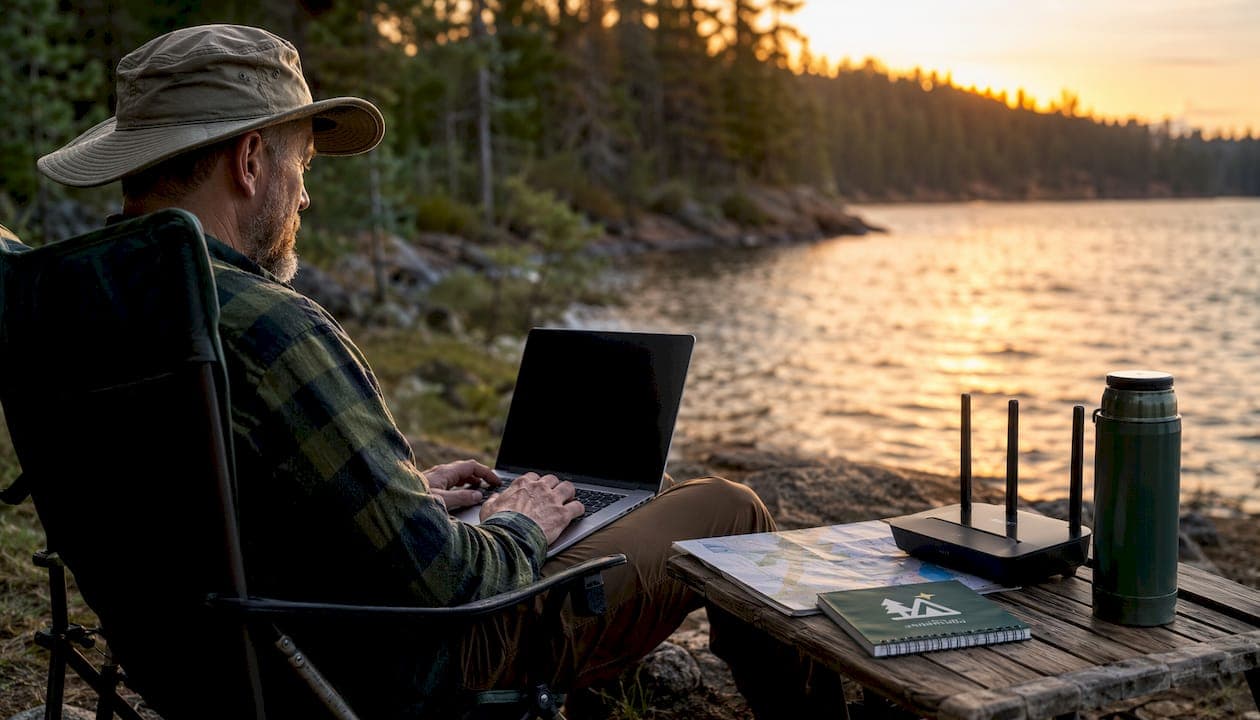
What you can actually expect from campground Wi-Fi
Campgrounds with Wi-Fi are now a standard expectation across the U.S., but "available" and "reliable" are two very different things. Many RV parks and private resorts include Wi-Fi at no extra charge, covering everything from email to video streaming for registered guests. That said, quality swings dramatically depending on where you park.
Here's the honest picture:
- Private RV parks and resorts tend to offer the strongest, most consistent coverage, often campground-wide.
- State parks vary widely. Some systems have invested in solid infrastructure; others leave you dependent on your own cellular signal.
- National parks frequently have little to no Wi-Fi, especially in remote or mountainous terrain where cellular service is limited and satellite solutions become the only fallback.
- Common frustrations include buffering during peak evening hours, dead zones at sites far from the office, and connections that drop when the park fills up.
The gap between a campground that lists "Wi-Fi available" and one that genuinely supports a video call is wider than most listings suggest.
Table of Contents
- How campground Wi-Fi infrastructure shapes your connection
- How to choose a campground with genuinely good Wi-Fi
- How Campgazer helps you find and plan connected camping trips
- Staying safe on campground Wi-Fi networks
- Key Takeaways
How campground Wi-Fi infrastructure shapes your connection
The technology behind a campground's internet matters far more than the signal bars on your device. A strong Wi-Fi signal only tells you that you're connected to the access point. It says nothing about how fast data actually moves.
- Fiber-optic backhaul is the gold standard. Parks that run fiber to the site deliver consistent high speeds with low latency, making video calls and large file transfers genuinely workable. DuPont Yurts near Brevard, NC, for example, advertises fiber work-anywhere Wi-Fi alongside full hookups.
- Satellite and cellular-boosted systems are far more common but come with real trade-offs: higher latency, limited bandwidth, and noticeable slowdowns when the park is full.
- Dedicated modems per site solve the congestion problem. Parks like Stanley RV Park in Midland, TX, provide each site with its own dedicated cable modem running at 100 Mbps, eliminating the shared-network bottleneck entirely.
- Multiple access points spread across a property improve coverage but don't fix a weak upstream connection. Fiber backhaul plus distributed access points is the combination that actually works.
- Single access point near the office is the most common setup and the most limiting. When the park fills up, everyone on that one node competes for the same bandwidth.
For casual browsing or uploading a few photos, almost any setup will do. For remote work, video conferencing, or streaming in 4K, fiber or a dedicated modem per site is what you need.
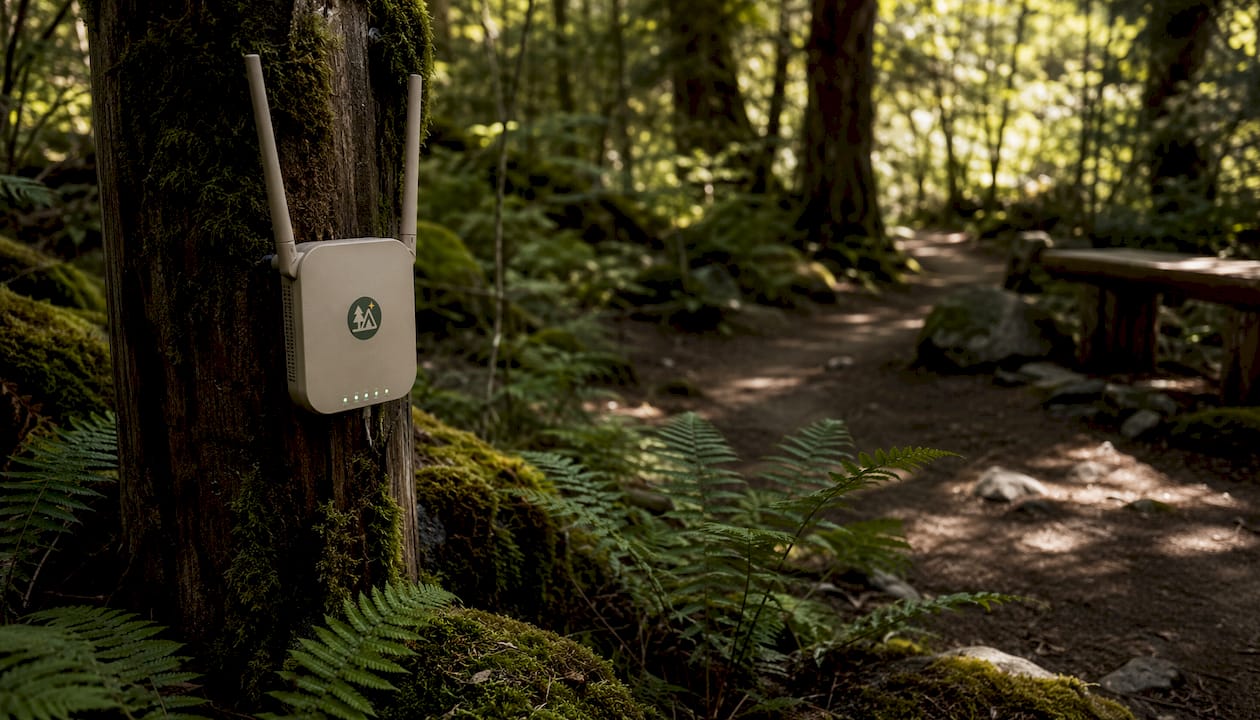
How to choose a campground with genuinely good Wi-Fi
Knowing what to look for before you book saves real frustration on the road. A few targeted questions cut through vague amenity lists fast.
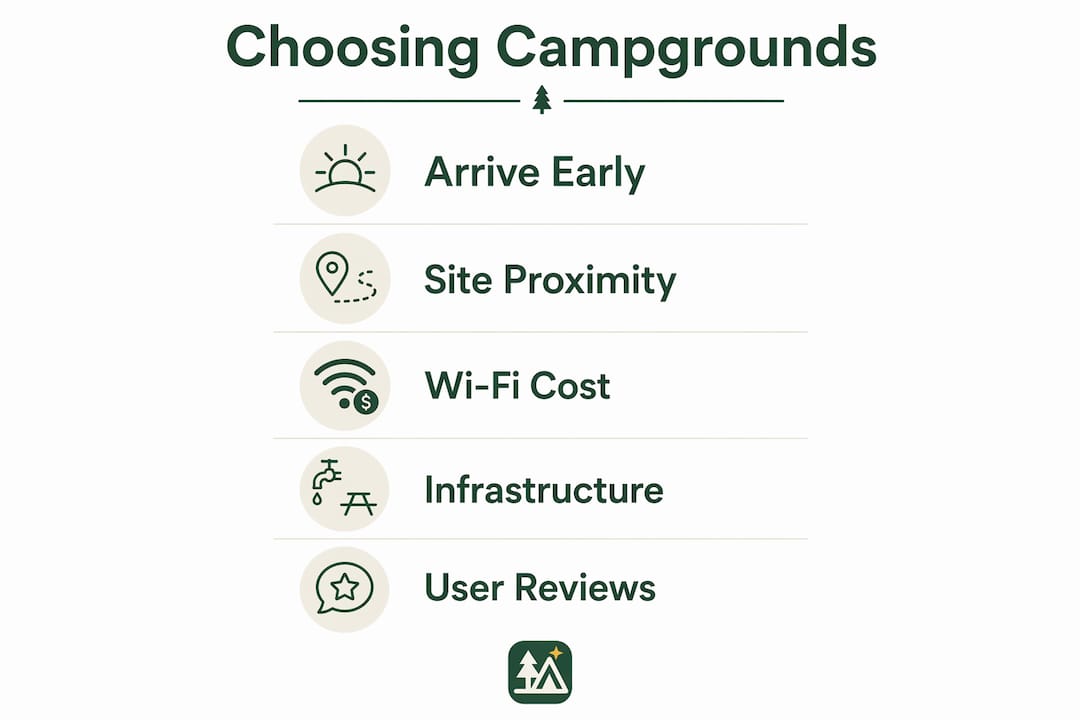
- Read the infrastructure details, not just the checkbox. Listings that specify fiber-optic backhaul, multiple access points, or dedicated modems per site are telling you something meaningful. "Free Wi-Fi" alone tells you almost nothing.
- Match bandwidth to your stay length. A weekend trip can tolerate shared Wi-Fi. A week-long stay for remote work demands something more dedicated.
- Dig into user reviews. Look specifically for comments about Wi-Fi during busy periods, not just off-season visits. Parkers Crossroads RV Park in Tennessee, for instance, highlights free high-speed Wi-Fi throughout the park, and guest reviews can confirm whether that holds up under load.
- Factor in campground type. Private RV parks built in the last decade tend to treat Wi-Fi as a standard utility. Older state park campgrounds often don't.
- Use Campgazer to filter by amenity. The platform lets you search across 10,000+ campgrounds and see detailed amenity notes, including Wi-Fi type, before you commit to a booking.
Pro Tip: Arrive early and choose a site closer to the campground office or a known access point location. Distance from the router is one of the simplest factors you can control, and it makes a measurable difference in signal quality.
Most campgrounds include Wi-Fi free in the nightly rate. A smaller number charge a premium for faster tiers or dedicated connections. When in doubt, call ahead and ask specifically whether the connection is fiber-backed or shared cellular.
How Campgazer helps you find and plan connected camping trips
Finding a campground that actually delivers on its Wi-Fi promise used to mean scrolling through forum threads and hoping for the best. Campgazer changes that by putting verified amenity data, community trip reports, and planning tools in one place.
The platform's database covers more than 10,000 campgrounds across the country, with detailed listings that go beyond a simple amenity checkbox. You can filter by Wi-Fi availability, review infrastructure notes, and read community-contributed reports from campers who've actually tested the connection on-site. That combination of structured data and real user experience is what makes it genuinely useful for connectivity-focused planning.
Key platform features for Wi-Fi-focused trip planning:
- Searchable Wi-Fi filters across 10,000+ campgrounds, including amenity detail beyond a simple yes/no flag.
- Community reviews and trip reports that surface real-world connectivity experiences, not just marketing copy.
- Custom trip itineraries built around your rig specs and connectivity requirements, so you can chain together stops that all meet your internet needs.
- Live availability alerts that notify you when a preferred site opens up.
- Collaborative planning tools for groups and families coordinating multi-rig trips.
Campgazer's KOA campground listings are a good starting point if you want campgrounds with a track record of solid amenities. KOA properties consistently rank among the better-equipped options for connected campers. For remote workers planning extended stays, the Van Horn RV Park listing on Campgazer shows the kind of detailed site specs that help you evaluate connectivity before you arrive.
If you're building a longer route and need reliable internet at every stop, the remote work RV lifestyle guide from Gently Used RVs pairs well with Campgazer's planning tools for thinking through the full picture.
Staying safe on campground Wi-Fi networks
Open campground networks are convenient, but they carry real security risks. Most shared park Wi-Fi runs without encryption, meaning anyone on the same network can potentially intercept unprotected traffic. For casual browsing, that's a manageable risk. For remote work involving client data, financial accounts, or business communications, it's a serious one.
A personal VPN is the most practical fix. It encrypts your traffic before it leaves your device, regardless of how the campground's network is configured. This is especially important on networks with no password or networks where the password is posted publicly at the office. Premium parks that provide dedicated modems per site reduce this risk significantly, since your connection is private by design rather than shared with every other guest.
A few other habits worth keeping: avoid accessing sensitive accounts on open networks without a VPN, log out of financial apps when you're done, and prefer HTTPS sites over HTTP when a VPN isn't running. None of this requires technical expertise. It's the same discipline you'd apply at a coffee shop or hotel, just applied to your campsite.
Key Takeaways
Reliable campground Wi-Fi depends on infrastructure type, campground category, and how you evaluate options before booking. Campgazer's extensive campground database makes that evaluation faster and more accurate.
| Point | Details |
|---|---|
| Quality varies widely | Private RV parks typically offer stronger, more consistent Wi-Fi than national or state parks. |
| Infrastructure determines speed | Fiber-optic backhaul and dedicated modems per site deliver the most reliable connections for remote work. |
| Evaluate before you book | Look for infrastructure specifics in listings and read community reviews about real-world Wi-Fi performance. |
| Use Campgazer to filter | Campgazer's database of 10,000+ campgrounds lets you search by Wi-Fi availability and read verified trip reports. |
| Protect your data | Use a personal VPN on open campground networks, especially for work-related or financial activity. |